
On 30 October 2026, The Times of India ran a piece on whether the black eye makeup of ancient Egypt may have done more than decorate. The article revisits research by French scientists, published in the journal Analytical Chemistry in January 2010. Its central finding concerns lead, nitric oxide and cells grown in a laboratory. The study did not test people wearing kohl.
Who wore it, and why
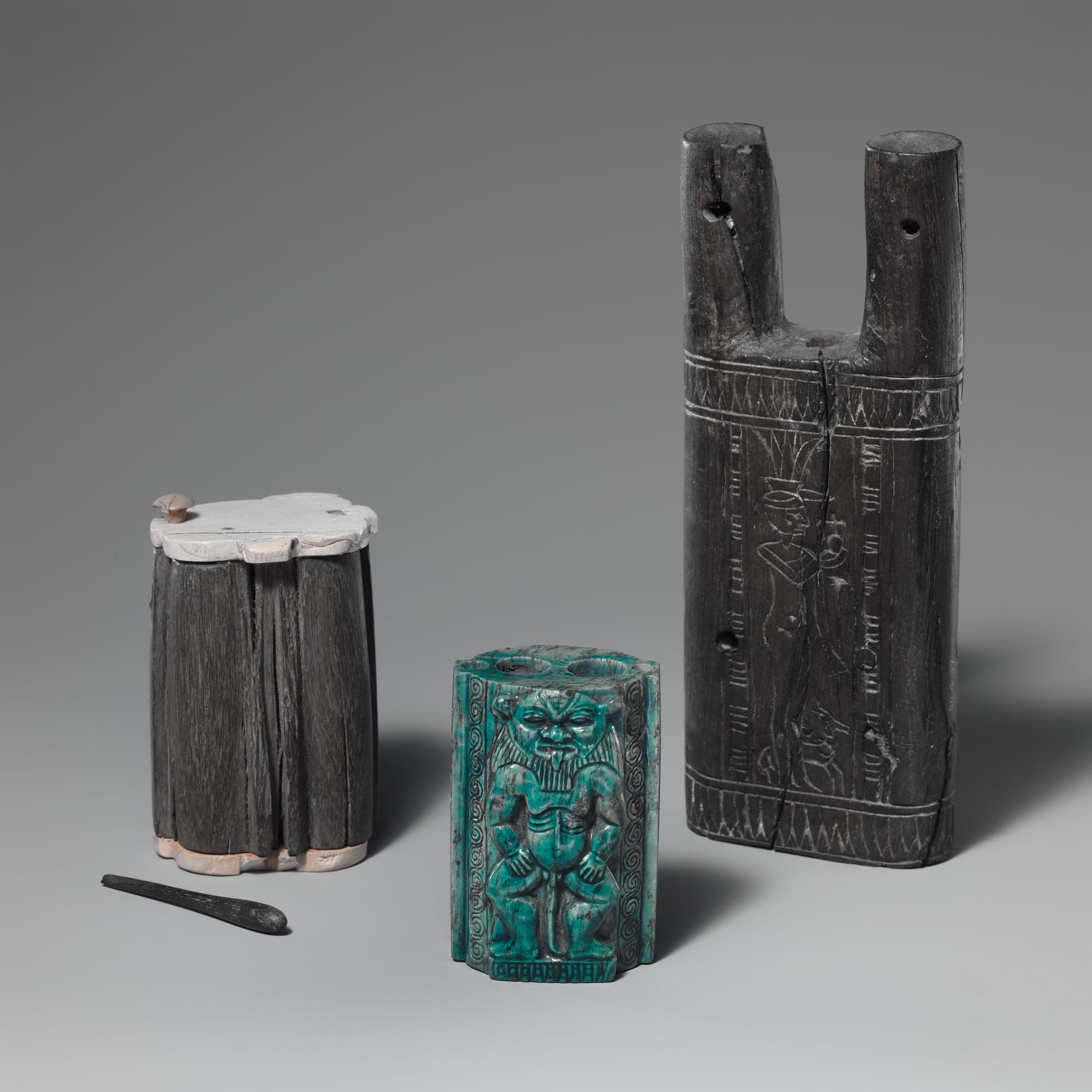
According to the Times of India, eye makeup was not reserved for queens or the ruling elite. It says men and women at different levels of Egyptian society wore cosmetics around the eyes, with black and green powders among the familiar choices. The dark pigment, known as kohl, defined the eyes and shaped their appearance.
The Times of India adds that the makeup had meaning beyond looks. In its account, Egyptian belief linked the eyes with divine protection, and cosmetics were also thought to guard the wearer against illness and the harsh environment.
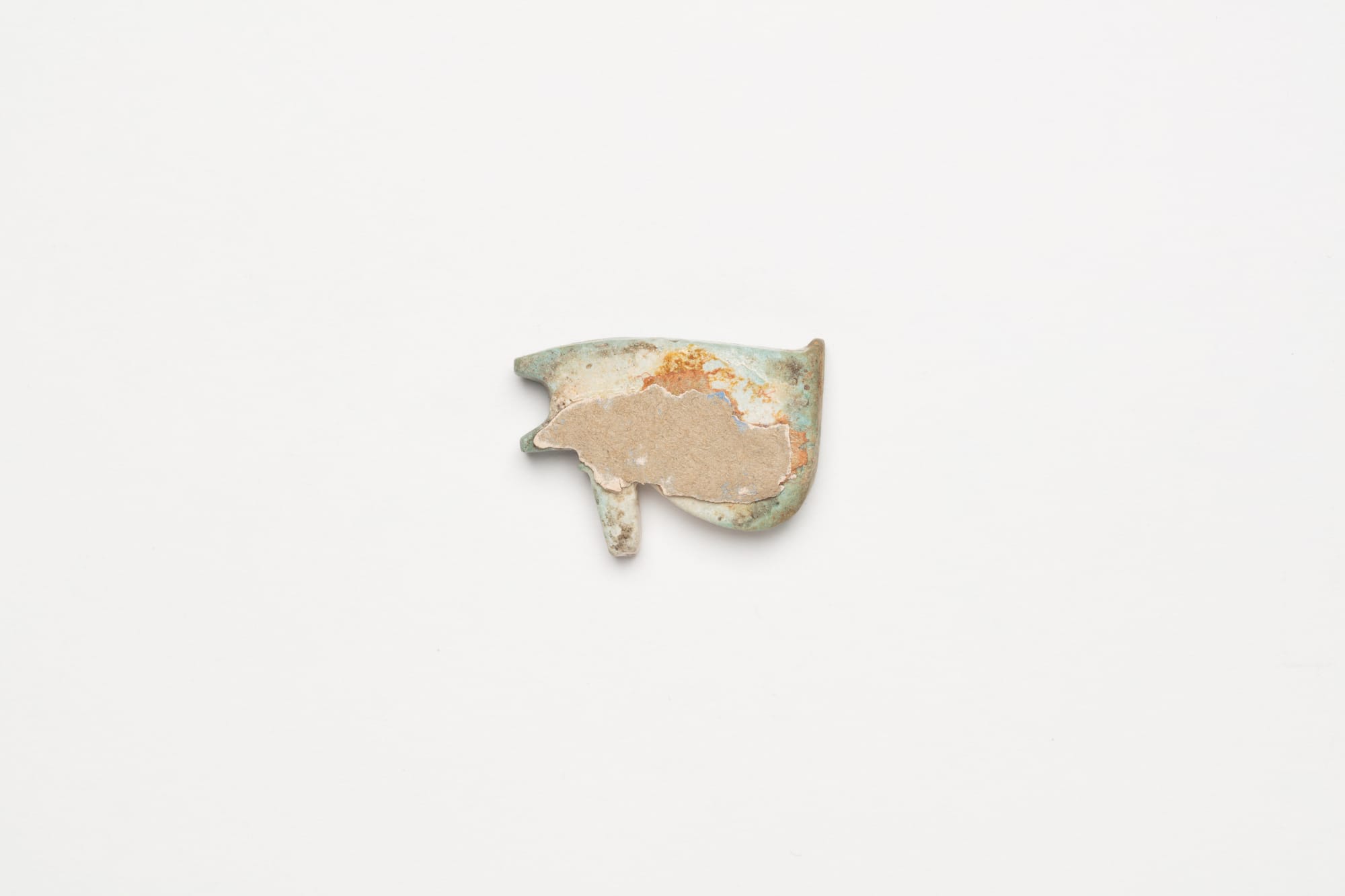
The Times of India points to the Eye of Horus as a symbol associated with protection and well-being. It also says historical medical texts record preparations for eye ailments, which it takes to suggest that cosmetics and remedies did not always sit in entirely separate categories.
What the French team looked at
The Times of India says the 2010 research examined how certain lead compounds found in ancient Egyptian cosmetics relate to the body's response to them. It describes the team as including Christian Amatore and colleagues.
Earlier chemical analyses of ancient cosmetic samples had identified several lead-containing ingredients. The Times of India singles out two, laurionite and phosgenite. It says they do not occur naturally in the form used in cosmetics and appear to have been deliberately prepared. That raised the question of whether the people who made the cosmetics understood something about what they were producing.
The nitric oxide result
In the experiments the Times of India describes, very low concentrations of lead ions could stimulate skin cells called keratinocytes to produce nitric oxide. The Times of India says this molecule helps regulate immune responses and contributes to defences against certain disease-causing microorganisms. Mystic Crystals, a mineral retailer's guide published on 15 September 2026, describes the same experiment in similar terms: cultured human skin cells exposed to extremely low concentrations of lead ions released by these compounds produced more nitric oxide.
The Times of India says the researchers estimated that the quantities of these compounds in the makeup could have produced a substantial increase in nitric oxide production. On that basis, it says, they proposed the substances may have been intentionally prepared for their beneficial properties.
What the study does not show
The Times of India is explicit about the limits. It says the study did not establish that the makeup itself prevented infections in people. It demonstrated a biological response under laboratory conditions, and a reaction seen in cultured cells does not automatically become a proven health benefit when a substance is applied to the human body.
Mystic Crystals makes a similar point: the experiment was run on cells, not on ancient wearers, and it does not show the Egyptians understood the underlying chemistry. That guide also says lead-based eye paint certainly was not harmless.
On whether the Egyptians consciously grasped the chemistry, the Times of India says the question remains unresolved. It floats the possibility that generations of experience informed their practices. Its closing line is that we may never know whether Cleopatra's kohl actually helped protect her eyes from infection.
Where this leaves the claim
Here is how I read it. The firm part is narrow: certain lead compounds in the cosmetics appear to have been deliberately prepared, and in cell experiments low levels of lead ions prompted nitric oxide production. As the Times of India reports it, the step from there to treating kohl as medicine is a proposal by the researchers, and the Times of India itself keeps it at that level. Headlines that treat the makeup as a proven infection-fighter go further than that coverage does.
This article draws on secondary reporting. The 2010 paper itself was not available to read, so the study's details are given as the Times of India and Mystic Crystals describe them.
Sources
Mystic Crystals (2026) 'Poison or Protection? Galena in Ancient Egyptian Kohl', Mystic Crystals, 15 September 2026, available at: https://mysticcrystals.co.za/become-a-collector/crystal-features/galena-ancient-egyptian-kohl/ (Accessed: 30 October 2026).
TOI Lifestyle Desk (2026) 'Cleopatra's eye makeup secret? Ancient Egyptians used lead-based kohl that may have boosted the body's immune defences and helped fight eye infections', The Times of India, 30 October 2026, available at: https://timesofindia.indiatimes.com/science/archaeology/cleopatras-eye-makeup-secret-ancient-egyptians-used-lead-based-kohl-that-may-have-boosted-the-bodys-immune-defences-and-helped-fight-eye-infections/articleshow/135330254.cms (Accessed: 30 October 2026).

