
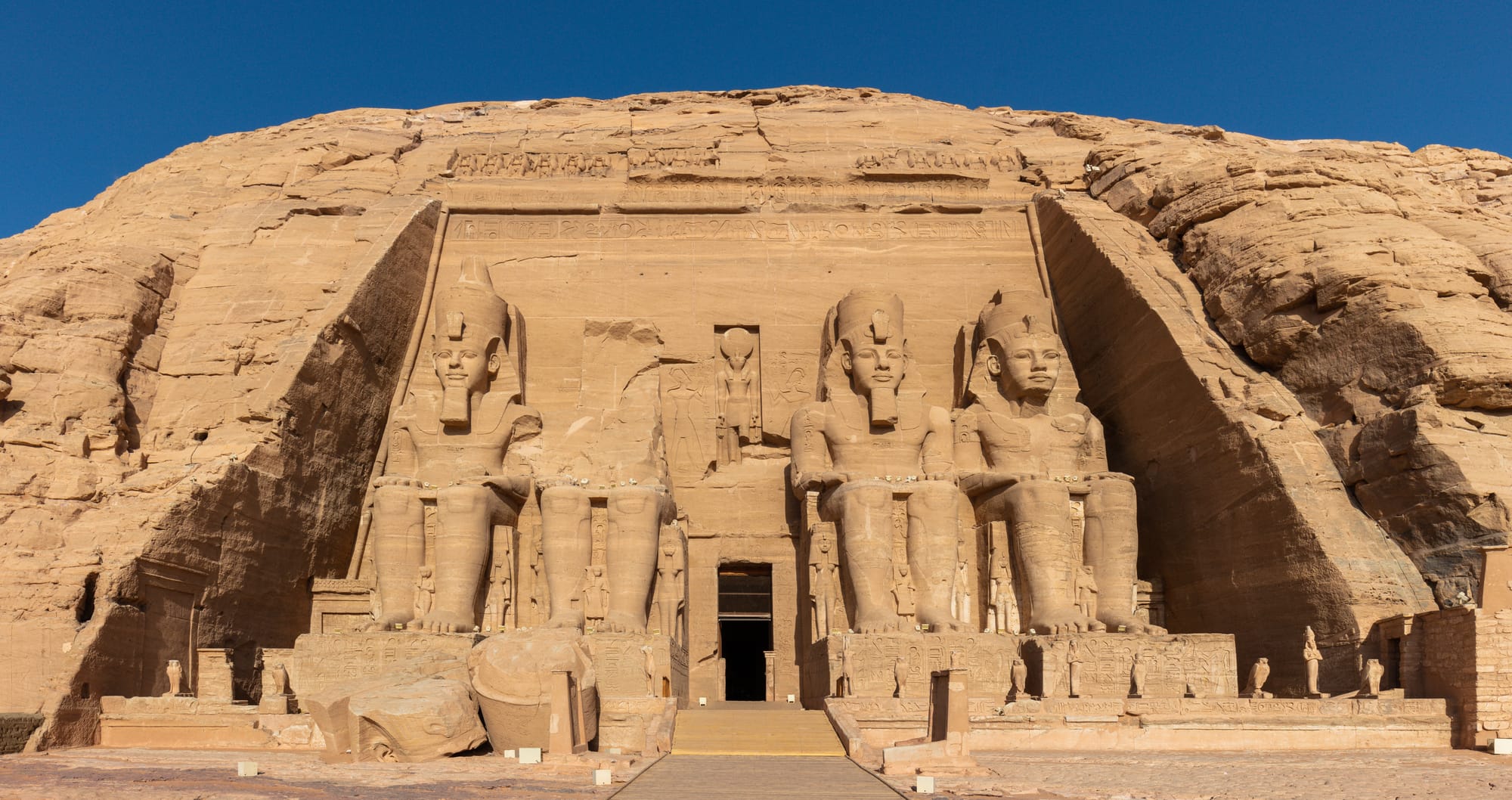
Egypt's Ministry of Tourism and Antiquities announced on Wednesday 14 October 2026 that a rescue excavation at the village of Behbeit el-Hagar, in Gharbia Governorate in the Nile Delta, has uncovered the remains of two colossal royal statues and a block of pink granite carved with hieroglyphs. The ministry says one statue is of Ramesses II and that the other is likely to be of the same king.
How it started
According to the ministry, the find began with a villager. While working a plot of land he owns in front of his home in Behbeit el-Hagar, he came across a stone block carrying inscriptions and reported it to the antiquities inspectorate. The ministry says inspectors went to the site straight away, and their first examination indicated the block was ancient.
The Behbeit el-Hagar antiquities inspectorate then took the legal steps required and drew up records of the discovery, the ministry says. A committee and a specialist team from the Supreme Council of Antiquities were formed to begin rescue excavation, which, the ministry says, produced the remains of the two statues and the granite block.
The ministry names the villager as Khaled El-Shahat Khalil. On the day of the announcement, Sherif Fathy, the Minister of Tourism and Antiquities, travelled to the village with Gharbia's governor, Alaa Abdel Moaty. According to the ministry, the minister praised Khalil's honesty and awareness and presented him and his wife with a certificate of honour and an umrah trip. The minister said that reporting a find quickly lets specialists deal with it according to established scientific and archaeological rules.
The first statue
Hisham El-Leithy, Secretary-General of the Supreme Council of Antiquities, described the first find as a huge head of a statue of Ramesses II, about 1.60 metres high, showing the king in the double crown. The ministry's release says that crown symbolises the unification of Upper and Lower Egypt.
The team also found the remains of the upper part of the statue's back pillar, which bears an inscription of the king's Horus title, given in the release as «حر كا نخت مري ماعت» (rendered Hor-ka-nakht-mery-maat). El-Leithy said the size of the head suggests the statue's original height, base included, may have been about 8.5 metres.
The second statue, and the block
The second find is the larger part of a royal statue about 2.40 metres in size. The ministry says it is likely to be Ramesses II as well. The legs and base are missing, and the king wears the nemes, the royal headdress, part of whose top is lost. The head was also found, with its facial features still clear and well preserved, and, according to the release, they resemble those of the first statue.
That wording is worth holding on to. The ministry's release names the first statue as Ramesses II and calls the second only likely, so the accurate summary is one statue attributed to the king and one probable.
The granite block is about 1.30 metres long and lies roughly one metre north of the second statue. The release says it carries the remains of hieroglyphic inscriptions that include two titles of Ramesses II: nesu-bity (King of Upper and Lower Egypt) and sa-ra (Son of Ra).
The site, and what comes next
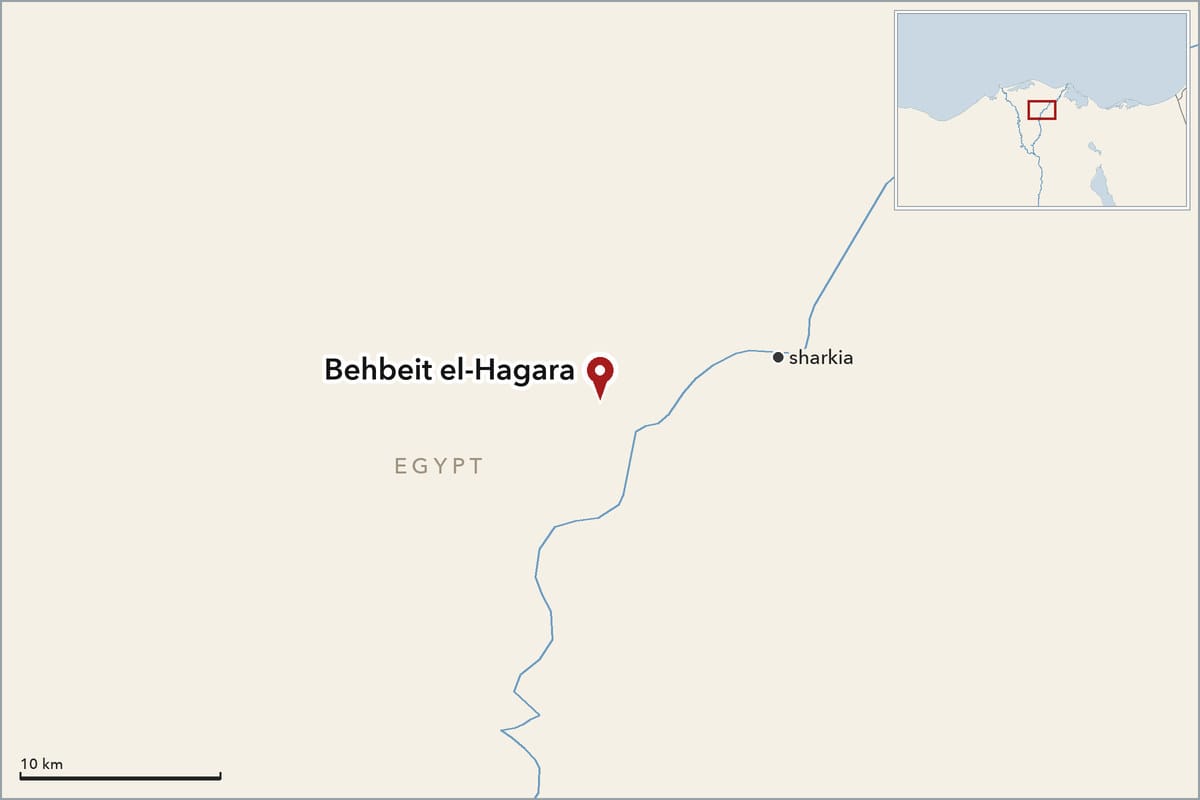
The ministry describes Behbeit el-Hagar as an important archaeological area in the Delta, known for the remains of a huge temple dedicated to the goddess Isis and for granite blocks and architectural elements that reflect the area's religious and architectural importance in ancient Egypt. The release does not say whether the statues stood at the site originally.
El-Leithy said excavation and archaeological study at the site are continuing. The stated aims are to find more elements and to study the pieces, how they relate to each other and to the site. The ministry says this should give a clearer picture of the statues and of the area's history and architectural development.
Visiting the dig on 14 October, Minister Fathy said the area would be given more attention in future excavation work. He said there are important indications of the possibility of more significant finds there. The ministry's pages give no detail of what those indications are.
Sources
Ministry of Tourism and Antiquities (2026) 'قرية بهبيت الحجارة بمحافظة الغربية تبوح بمزيد من أسرارها الأثرية' [The village of Behbeit el-Hagar in Gharbia Governorate reveals more of its archaeological secrets], Ministry of Tourism and Antiquities, 14 October 2026, available at: https://mota.gov.eg/ar/%D8%A7%D9%84%D8%A3%D8%AE%D8%A8%D8%A7%D8%B1-2-1-1/%D9%82%D8%B1%D9%8A%D8%A9-%D8%A8%D9%87%D8%A8%D9%8A%D8%AA-%D8%A7%D9%84%D8%AD%D8%AC%D8%A7%D8%B1%D8%A9-%D8%A8%D9%85%D8%AD%D8%A7%D9%81%D8%B8%D8%A9-%D8%A7%D9%84%D8%BA%D8%B1%D8%A8%D9%8A%D8%A9-%D8%AA%D8%A8%D9%88%D8%AD-%D8%A8%D9%85%D8%B2%D9%8A%D8%AF-%D9%85%D9%86-%D8%A3%D8%B3%D8%B1%D8%A7%D8%B1%D9%87%D8%A7-%D8%A7%D9%84%D8%A3%D8%AB%D8%B1%D9%8A%D8%A9/ (Accessed: 16 October 2026).
Ministry of Tourism and Antiquities (2026) 'الوزير يتوجه إلى الغربية لتكريم السيد خالد الشحات خليل لأمانته لعثوره على كتلة حجرية أثرية في أرضه' [The Minister heads to Gharbia to honor Mr. Khaled El-Shahat Khalil for his honesty in finding an archaeological stone block on his land], Ministry of Tourism and Antiquities, 14 October 2026, available at: https://mota.gov.eg/ar/%D8%A7%D9%84%D8%A3%D8%AE%D8%A8%D8%A7%D8%B1-2-1-1/%D8%B9%D9%82%D8%A8-%D8%A7%D9%84%D9%83%D8%B4%D9%81-%D8%A7%D9%84%D8%A3%D8%AB%D8%B1%D9%8A-%D8%A7%D9%84%D9%87%D8%A7%D9%85-%D8%A7%D9%84%D8%B0%D9%8A-%D8%B4%D9%87%D8%AF%D8%AA%D9%87-%D9%82%D8%B1%D9%8A%D8%A9-%D8%A8%D9%87%D8%A8%D9%8A%D8%AA-%D8%A7%D9%84%D8%AD%D8%AC%D8%A7%D8%B1%D8%A9-%D8%A8%D9%85%D8%AD%D8%A7%D9%81%D8%B8%D8%A9-%D8%A7%D9%84%D8%BA%D8%B1%D8%A8%D9%8A%D8%A9-%D9%88%D8%B2%D9%8A%D8%B1-%D8%A7%D9%84%D8%B3%D9%8A%D8%A7%D8%AD%D8%A9-%D9%88%D8%A7%D9%84%D8%A2%D8%AB%D8%A7%D8%B1-%D9%8A%D8%AA%D9%88%D8%AC%D9%87-%D8%A5%D9%84%D9%89-%D9%85%D8%AD%D8%A7%D9%81%D8%B8%D8%A9-%D8%A7%D9%84%D8%BA%D8%B1%D8%A8%D9%8A%D8%A9-%D9%84%D8%AA%D9%83%D8%B1%D9%8A%D9%85-%D8%A7%D9%84%D9%85%D9%88%D8%A7%D8%B7%D9%86-%D8%AE%D8%A7%D9%84%D8%AF-%D8%A7%D9%84%D8%B4%D8%AD%D8%A7%D8%AA-%D8%AE%D9%84%D9%8A%D9%84-%D9%84%D8%A3%D9%85%D8%A7%D9%86%D8%AA%D9%87-%D9%88%D8%AD%D8%B1%D8%B5%D9%87-%D8%B9%D9%84%D9%89-%D8%A7%D9%84%D8%A5%D8%A8%D9%84%D8%A7%D8%BA-%D8%B9%D9%86-%D8%B9%D8%AB%D9%88%D8%B1%D9%87-%D8%B9%D9%84%D9%89-%D9%83%D8%AA%D9%84%D8%A9-%D8%AD%D8%AC%D8%B1%D9%8A%D8%A9-%D8%A3%D8%AB%D8%B1%D9%8A%D8%A9-%D9%81%D9%8A-%D8%A3%D8%B1%D8%B6%D9%87/ (Accessed: 16 October 2026).
Picture credits
- Top picture: Temple of Ramses II, Abu Simbel, Egypt (file photo, not one of the Behbeit el-Hagar finds). Photo: Diego Delso, CC BY-SA 4.0 (Wikimedia Commons)
- Map: drawn from Natural Earth (public domain) and Wikidata.
