
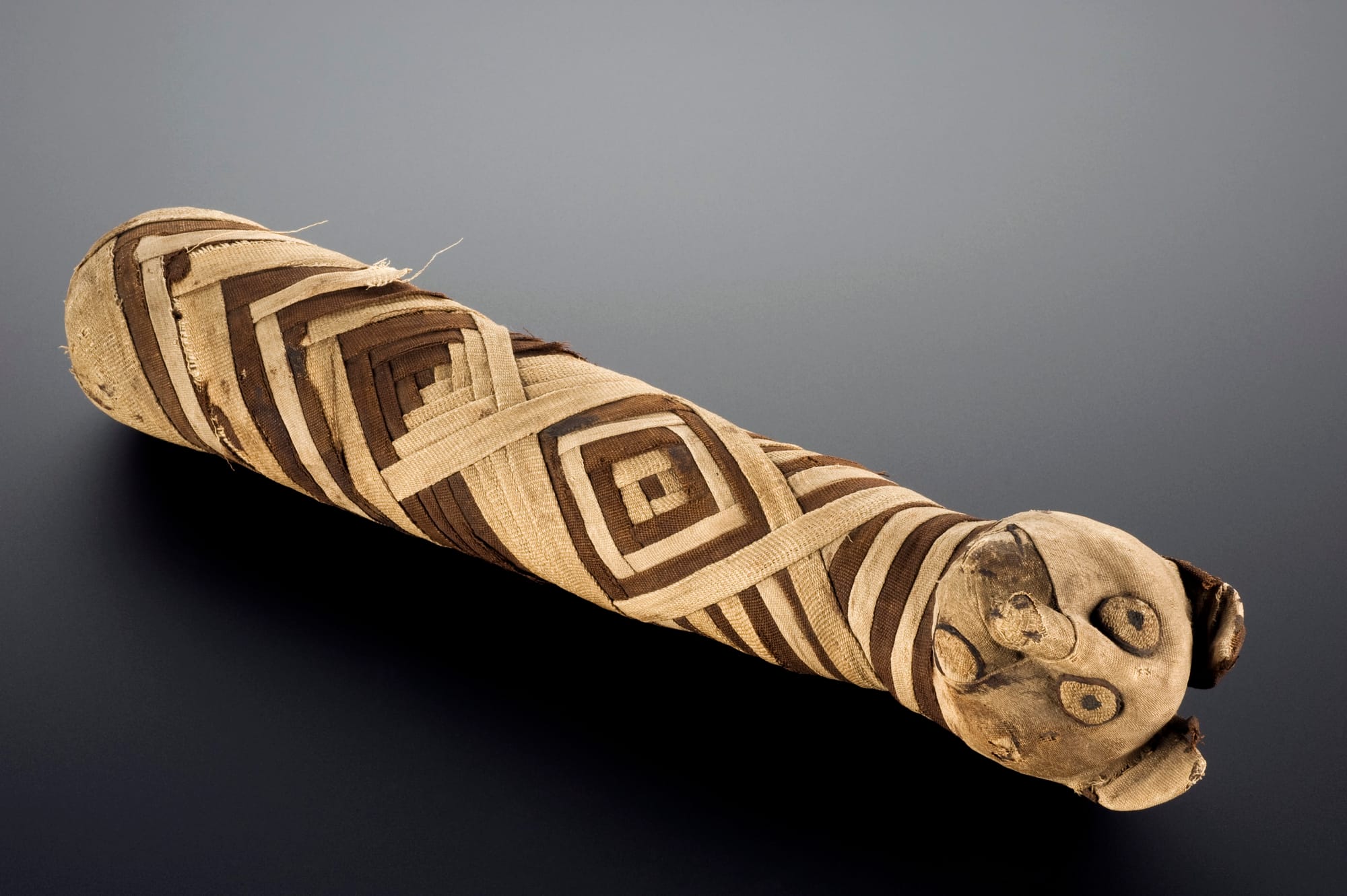
On 27 October, Daily News Egypt reported that cats meant as sacred offerings were held near the Beni Hassan cemetery in ancient Egypt more than two thousand years ago. The report describes a study of 131 cat skulls preserved at the Natural History Museum in Vienna, taken from mummified animals at Beni Hassan in the 19th century. The study, by Wim Van Neer, Bea De Cupere and Claudio Ottoni, was published in the Journal of Archaeological Science.
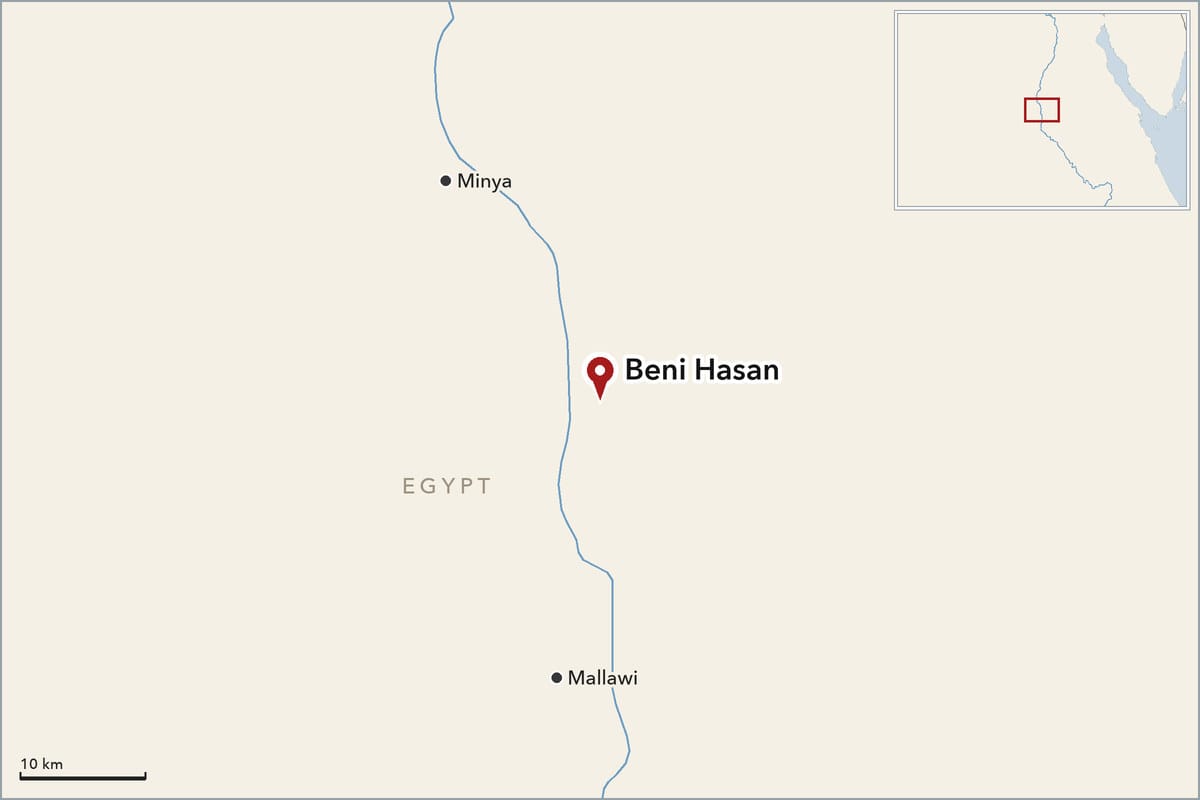
Why Beni Hassan matters
Daily News Egypt says animal mummification was widespread in ancient Egypt and that archaeologists know of around 20 cat cemeteries, with Beni Hassan among the largest. It adds that early accounts described pits packed with layers of mummified cats. The study's abstract says the authors examined the museum's archival correspondence, which clarified the collection's provenance and its acquisition during the 1880s.

“We wanted to understand not just which cats were present, but what their bones could tell us about how they lived,” Wim Van Neer, the study's lead author, said, according to Daily News Egypt. The researchers measured skulls and teeth to estimate species and age, recorded injuries and signs of disease, radiocarbon-dated nine animals, and analysed carbon and nitrogen signatures in the bones of 16 cats.
Disease, bites and blows
Of the 131 animals, 81, about 62%, showed at least one pathological condition, according to Daily News Egypt. The abstract says the pathologies were primarily dental anomalies, along with healed fractures, puncture marks, and deformations possibly linked to infectious or metabolic disorders. Daily News Egypt adds that researchers found periodontal disease, missing teeth and damaged skull surfaces.
According to Daily News Egypt, fourteen skulls also showed traumatic injuries. The report says some puncture marks look like bites from other cats, while cuts, fractures and other damage point to people. Some of the wounds had healed, so those animals lived on; others had not. The researchers believe that in several cases cats were probably killed by deliberate blows and then mummified as offerings, the report says.
Some cats may have been caught wild
According to Daily News Egypt, seven skulls were confidently identified as jungle cats (Felis chaus), a wild species bigger than the domestic cat. It says most of the others were probably domestic cats, although African wildcats and hybrids may also be represented. Six of the seven jungle cats were affected by pathologies, and the authors say the pattern suggests wild and domestic animals were probably kept under broadly similar captive conditions.
Stable isotope analysis of four jungle cats and twelve other cats revealed dietary or environmental differences, which the abstract says suggest the jungle cats likely did not reproduce in captivity. Daily News Egypt says the jungle cats' carbon signature differed from that of the presumed domestic cats, which fits an earlier life in wetland or river settings. Van Neer and his colleagues take this to mean the jungle cats were probably captured in the wild rather than bred alongside the domestic cats, and kept in captivity too briefly for their bones to lose the chemical trace of their earlier diet, Daily News Egypt reports.
Dates and limits
Daily News Egypt reports that radiocarbon dates put most of the animals at roughly 380 to 40 BC, spanning the close of Egypt's Late Period and the start of the Ptolemaic era, with one cat several centuries older. The abstract says the dated subsample was four jungle cats and five other small felids, and that the one exception belonged to the Third Intermediate Period.
Daily News Egypt notes that because only skulls survive, some diseases are impossible to diagnose confidently. It also says adults account for 86% of the sample, unlike other mummy collections in which juveniles predominate, and that the researchers suspect 19th-century collectors may have preferred larger, intact adult skulls, so the Vienna collection may not represent the original cemetery population. Daily News Egypt says it remains uncertain exactly how organised the facilities that held the cats were, and how widespread practices such as capturing wild cats, confining many animals in stressful conditions and sometimes deliberately killing them for mummification were across ancient Egypt. Those limits are worth keeping in mind alongside the study's picture of captive cats, injured and diseased, that Daily News Egypt describes as part of a large system supplying temples with offerings.
Sources
biblio.naturalsciences.be (n.d.) 'Keeping cats for mummification in ancient Egypt: osteological evidence from Beni Hassan', biblio.naturalsciences.be, available at: https://biblio.naturalsciences.be/library-1/rbins-staff-publications-2026/VanNeer2026a (Accessed: 10 November 2026).
Egypt, D. N. (2026) 'Ancient Egyptian cat skulls reveal injuries, disease before mummification', Dailynewsegypt, 27 October 2026, available at: https://dailynewsegypt.com/2026/10/27/ancient-egyptian-cat-skulls-reveal-injuries-disease-before-mummification/ (Accessed: 10 November 2026).
Picture credits
- Top picture: A mummified cat from ancient Egypt. Image: Mummified cat, ancient Egypt, 2000-100 BCE — Science Museum, London, Wellcome Images (CC BY 4.0) (source)
- The Natural History Museum in Vienna, where the skull collection is housed. Vienna - Naturhistorisches Museum — © Jorge Royan / royan.com.ar (CC BY-SA 3.0) (source)
- Map: drawn from Natural Earth (public domain) and Wikidata.

